The Extradition Process in Venezuela: Legal Framework and Challenges
The extradition process in Venezuela is a complex and multifaceted legal procedure governed by a combination of national laws and international treaties. This article delves into the nuanced landscape of extradition in Venezuela, examining its legal framework, practical challenges, and significant cases that highlight the intricacies of the process.
1. Introduction to Extradition
Extradition is the formal process through which one jurisdiction surrenders an individual to another jurisdiction for prosecution or punishment for crimes committed. This procedure can involve numerous legal, diplomatic, and political considerations. In Venezuela, the extradition process is influenced by its constitutional provisions, bilateral treaties, and the current geopolitical environment.
2. Legal Framework Governing Extradition in Venezuela
The Venezuelan legal framework regarding extradition is primarily founded on its Constitution, along with international treaties to which the country is a signatory. According to Article 67 of the National Constitution, Venezuela upholds the principle of non-extradition of political offenders. This provision indicates that individuals accused of political crimes cannot be extradited, a standpoint that has significant implications for cases involving political dissidents and activists.
2.1 International Treaties
Venezuela is a signatory to several international treaties that govern extradition, such as the Inter-American Convention on Extradition. This treaty outlines the procedures and conditions under which states can request the extradition of individuals accused of crimes. The specifics of each treaty influence how extradition requests are handled, including stipulations regarding human rights and the types of offenses that warrant extradition.
3. The Extradition Process in Venezuela
The process begins when a foreign country submits a formal request for extradition to the Venezuelan government. The request must include detailed documentation of the charges against the individual, evidence supporting those charges, and an assertion that the crime is punishable under both the requesting and Venezuelan laws.
3.1 Initial Review
The Venezuelan Attorney General’s Office is responsible for reviewing the request to determine its validity. This preliminary review assesses whether the request complies with Venezuelan law and international obligations. If deemed appropriate, the request is forwarded to the relevant judicial authorities for further examination.
3.2 Judicial Proceedings
A Venezuelan court then conducts a judicial review of the extradition request. During this phase, the court evaluates the evidence presented and the legal grounds for extradition. The accused has the right to contest the extradition in court, leading to possible hearings where their defense can present evidence and arguments.
3.3 Decision and Appeal
If the court rules in favor of extradition, the decision can be appealed by the accused. The appeal process can be lengthy, prolonging the overall extradition timeline. Ultimately, the Supreme Court of Venezuela has the final say on the matter, and its ruling is binding.
4. Challenges in the Extradition Process
Venezuela’s extradition process is fraught with challenges that stem from political, legal, and humanitarian concerns. One of the most significant challenges is the reluctance to extradite political dissidents or individuals associated with opposition movements. The government often cites the constitutional provision against extraditing political offenders as a barrier to extradition requests from other countries.
4.1 Human Rights Concerns
Human rights organizations frequently raise concerns over the treatment individuals may receive upon extradition. Requests from countries with questionable human rights records may face rigorous scrutiny by Venezuelan courts, as judges assess the risk of torture, unfair trials, or other violations that the accused could face in the requesting country.
4.2 Political Implications
The extradition process can also be heavily influenced by the political climate. For instance, extradition requests involving prominent opposition figures or critics of the government are often complicated by fears of backlash or political ramifications. The current Venezuelan regime has demonstrated a propensity toward viewing such cases through a political lens.
5. Notable Extradition Cases
Several high-profile extradition cases have drawn international attention and showcased the complexities of the process. One notable case involved the extradition of drug traffickers and organized crime figures, which often sparks debates regarding the efficacy of the judicial process in Venezuela.
5.1 The Case of Hugo Carvajal
Hugo Carvajal, a former Venezuelan intelligence chief, became a focal point in the extradition debate when the United States issued an extradition request based on charges of drug trafficking. His case illustrated not only the legal challenges involved but also the political implications, as he sought asylum in European countries, arguing persecution by the Venezuelan government.
5.2 The Opposition Leader Extraditions
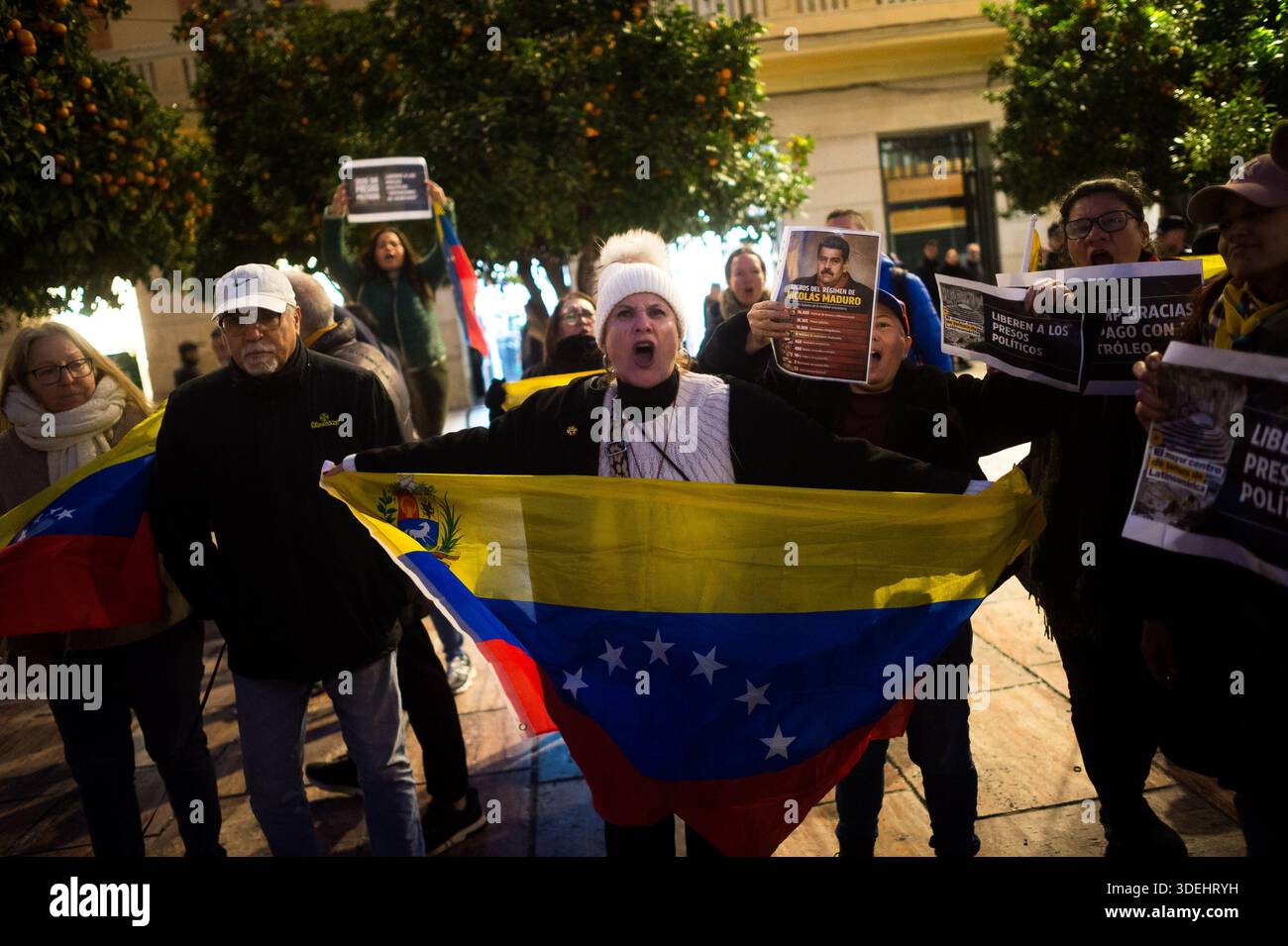
Situations involving opposition leaders often draw public attention, with requests for their extradition from countries such as Colombia or the United States highlighting the delicate balance Venezuela attempts to maintain with its neighbors. The Iranian and Russian diplomats intervening in these cases have raised questions about the integrity of the extradition process within Venezuela.
6. Conclusion
The extradition process in Venezuela is a complex interplay of legal principles, political considerations, and human rights concerns. The framework established by the Venezuelan Constitution and international treaties creates a unique set of challenges that impact the effectiveness and fairness of the process. As the geopolitical landscape evolves, the future of extradition in Venezuela will likely continue to be contentious, requiring careful navigation among legal, political, and human rights issues.
Understanding these complexities is crucial for anyone following Venezuelan law, international relations, or human rights advocacy. The intricacies surrounding extradition cases not only reflect the Venezuelan legal system but also the broader implications for justice and political asylum in a rapidly changing world.